The Life of Alice Malcolm: From Vienna to Glasgow
Alice Malcolm’s story is one of profound resilience. It begins with a childhood in Vienna shattered by the rise of Nazism, follows a desperate escape to the UK, and concludes with a life of service and gratitude in Scotland.
1. Life Before the War: Vienna
Alice was born in Vienna to a Viennese mother and a Turkish father who passed away when she was very young. Her mother, a beautiful and talented woman, supported them by working in a political office.
- The Warning (1936): When Alice was 12, her mother’s boss locked the office door and warned her that the Nazis were taking over. He told her she had to leave Austria immediately or she would be “dead meat.” Her mother fled to England to work as a domestic servant, leaving Alice behind with her grandmother.
- The Anschluss (1938): Two years later, Hitler annexed Austria. Alice was in the room when her grandmother turned white listening to the radio announcement. The shock was so severe for Alice that she physically lost her balance and her “cat-green” eyes permanently changed color.
- Witnessing Terror: Alice saw horrific scenes on the streets of Vienna, including Jewish men being forced to scrub monuments with toothbrushes and a neighbor who committed suicide using materials from his own shop. Realizing she had to escape, she wrote to her mother: “If I don’t get out of here quickly, I will never get out.”
2. Immigration: The Journey
Alice’s escape was a lonely journey into the unknown.
- Leaving Home: Her uncle took her to the train station in Vienna. It was a terrifying separation from her grandmother and everything she knew.
- The Belongings: She left with almost nothing. Her small suitcase contained only a few items, most notably a bottle of Viennese water (which she prized highly) and a little crocheted beret she had made as a gift for her mother.
- Arrival: She traveled alone to England and was reunited with her mother in Northwood, London. However, they could not live together; Alice stayed in “digs” (lodgings) while her mother worked as a live-in servant nearby.
3. Life During the War: England
Alice’s early years in England were marked by instability, rejection, and hard labor.
- Evacuation & Rejection: When the Blitz began, Alice was evacuated to Luton. Her first night there was traumatic: she was placed with a deeply religious woman who, upon realizing Alice was Jewish during evening prayers, kicked her out immediately, declaring, “No Jew shall have shelter in my house.”
- Finding Safety: A sympathetic teacher eventually found her a home with the Alcorn family, who were kind to her.
- Service at Uppark House: To avoid being interned in a refugee camp as an “alien,” Alice was sent to work as a kitchen maid at Uppark, a grand stately home in Petersfield.
- Her Role: She woke at 6:00 AM to scrub corridors and skin rabbits for the dogs.
- Kindness: Despite the harsh work, the lady of the house (Lady Meade-Featherstonhaugh) was kind to her, and the cook, Veronica, gave her extra food.
- Keeping the Faith: Desperate to connect with her heritage, she asked to attend a Yom Kippur service. The butler gave her a ride on the back of his motorbike to a nearby town, where she found a small gathering of Jewish people.
4. Integration: A New Life in Scotland
Alice’s life changed forever when her mother’s employers moved to Glasgow and offered to take her mother with them. Alice followed, beginning her journey to becoming a “Scottish” woman.
- Arrival in Glasgow: She arrived by train to a city that looked “black and depressing” due to industrial soot, a stark contrast to Vienna.
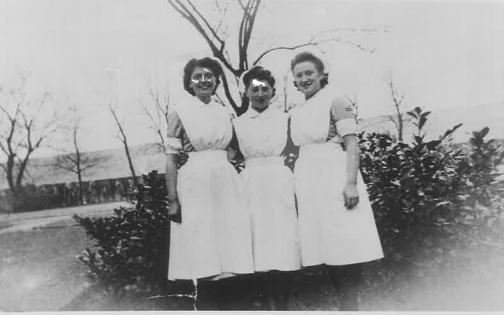
- “Essential Work”: Advised to contribute to the war effort, Alice became a nurse. She started in a nursing home where she famously learned the local dialect.
- The “Slunging” Incident: A Scottish nurse told her to “slunge the shite off the nappies.” Alice, trying to be a good student, repeated this phrase word-for-word to the matron, not realizing it was profanity!
- Career & Identity: She trained at Stobhill Hospital, becoming a midwife and nurse known affectionately as “Sister Levi.” She delivered countless babies in Glasgow’s Southside.
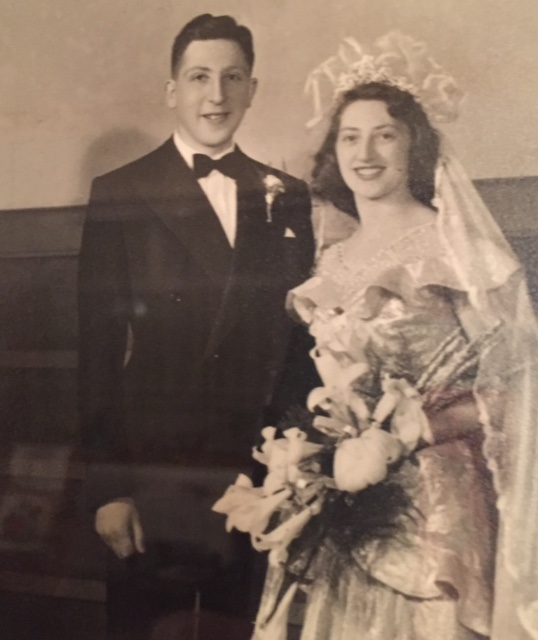
- Marriage: She met her future husband, a Naval officer, at a dance. They fell in love, married, and built a family in Glasgow.
5. Reflection on Life
In her later years, Alice looked back on her journey with deep gratitude.
- A “Wholesome” Country: She came to regard Scotland as “the best country in Europe.” Despite her failing eyesight, she felt safe because strangers would often step in to help her cross the road or board a bus.
- Her Accent: She noted that she never lost her “foreign” accent—but instead of just Viennese, it became a unique mix of her mother tongue and the various British accents she mimicked to survive.
- Legacy: Though her family eventually scattered (with a son in New York and a daughter in Cambridge), Alice remained proud of the life she built. She transitioned from a frightened refugee girl who lost her balance to a steady, beloved matriarch in her adopted city.