
The Holocaust timeline
The Gathering the Voices timeline focuses on the history of the Holocaust, chronicling the years from 1933 to 1945.
From the rise of the Nazi party in 1933 to the liberation of the camps in 1945, this interactive timeline documents the major events of the Shoah. Explore the history through links to first hand testimonies, including accounts of Kristallnacht, the camps, and living under Nazi rule.
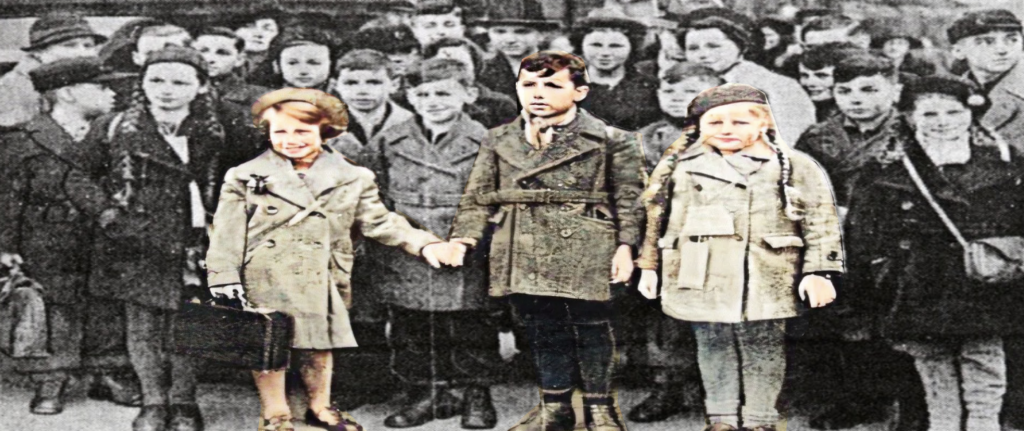
Photographed at Waverley Station in Edinburgh, Scotland: Bob McKenzie is pictured holding Edith Forrester’s hand, with his sister standing beside him.
 Click to expand
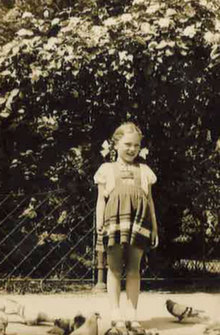
Ruth Fraser – Life Before the War
Her Parents ran a kosher butcher shop and this kosher butcher shop until 1933 when the Nazis came to power. The shop had to be closed….. They had no income.
 Click to expand
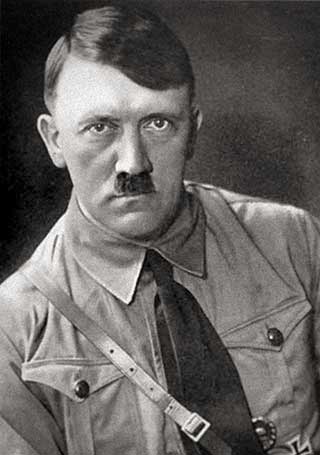
Adolf Hitler Becomes Chancellor of Germany
‘Yes, well, Hitler came to power in January l933, by April l933, somewhere around ll or l2 o’clock, …, the Storm Troopers appeared in our business, declared all of us, my father, our relative ……my cousin …..my business partner, and myself as ….having to be taken into what they called “schutzhaft” or protective custody.
 Click to expand
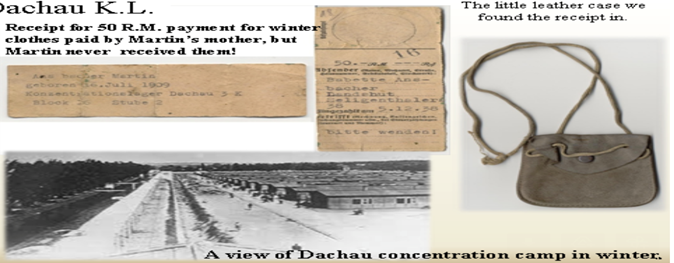
Dachau Concentration Camp Opens
I think it was Block l6, where we were allocated. It was huts which were constructed to hold probably between 70 and 100 people, and there were about 250-300 people in each hut, so we were sleeping, partly on bunks, partly on the floor, on straw, so obviously, there was not much sleeping at night, because we were lying across each other.
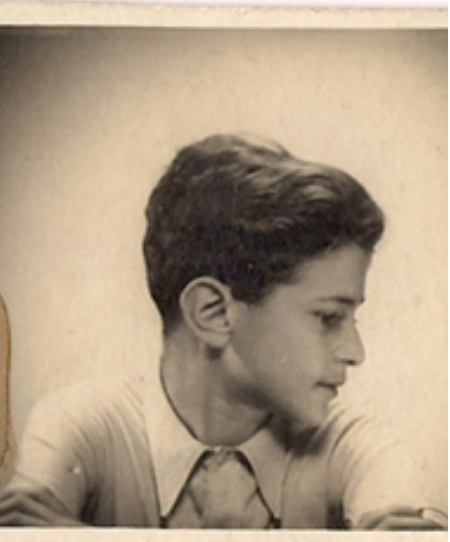
Martin Anson was arrested on Kristallnacht and imprisoned In Dachau Concentration Camp
 Click to expand
Enabling Act is passed Hitler given dictatorial powers
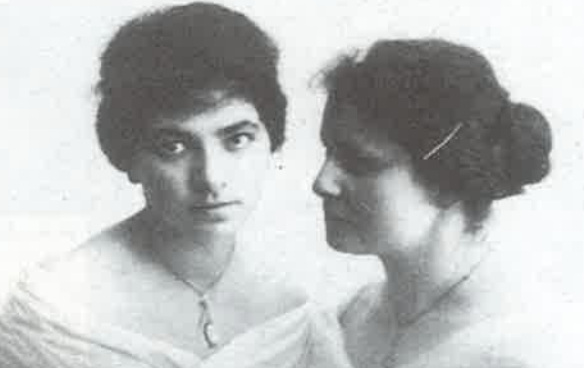
To the best of my recollection, remember I was 9 years old, 10 years old; and Polish Jews, foreign Jews knew they were in for a hard time under Hitler who had come to power in ’33
 Click to expand
The Sunday Morning March
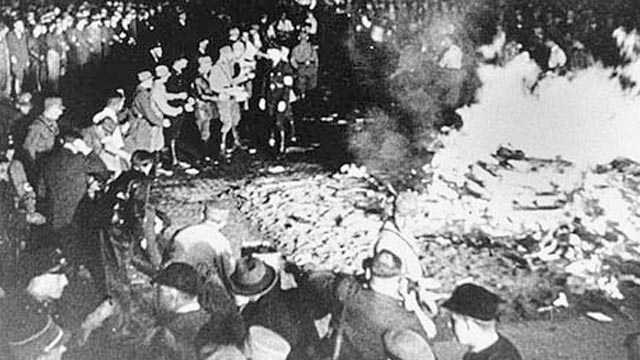
Well, I remember that the SA [Sturmabteilung or Brownshirts, the original paramilitary wing of the Nazi party]. It used to be on a Sunday morning march through the street and people always stood and watched and so on and [shouted] Heil Hitler and all that. And the young people of my own age, they joined in singing and it was all very jolly, but I mean, for them. So … usually, we kept out of the way when they marched through.
 Click to expand
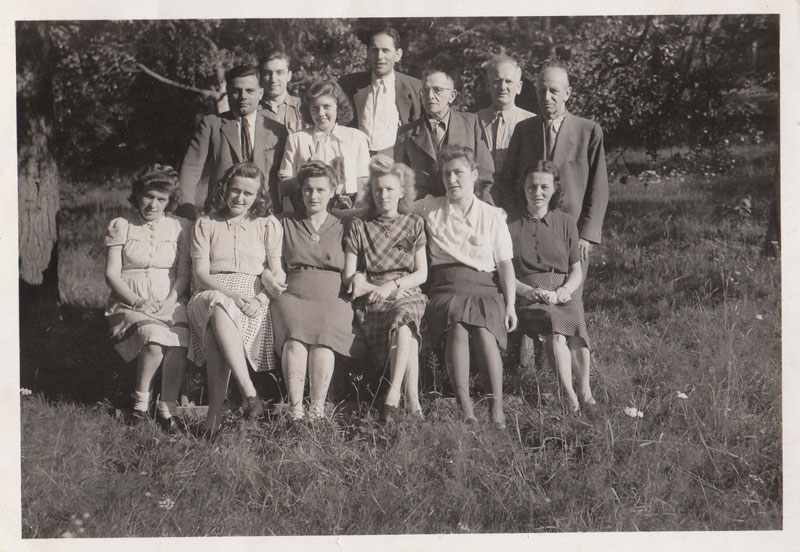
Public Burning of “un-German” books.
In May 1933, Nazi German university students, supported by the Nazi government, burned tens of thousands of books they deemed “un-German,” including works by Jewish authors and those promoting leftist ideologies.
 Click to expand
Nürnberg Race Laws Passed
So my mother’s grandmother was Jewish and her mother, Paula Lamb, was christened into the Catholic faith, which I think was fairly common when people married into a different religion…….
…..The Nazis had introduced with the Nuremberg laws in 1935 I think it was. Some sort of pseudo scientific methodology to decide how much of a Jew you are in blood. And it depended on how many…INT: What was it they called this? They had a special name didn’t they? For such people. Is it mischling?
Pre War 1938
Pre-War (1938) Jewish Population of Germany and the territories later conquered in Europe and Russia number 8,861,800 people
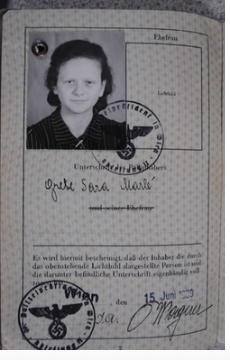
A brick factory in Newcraighall, Edinburgh, reminded ‘Marianne of their family 's ' deportation to a concentration camp during the Holocaust. The demolition of the factory symbolised freedom from the haunting memories.
 Click to expand
Life in Vienna
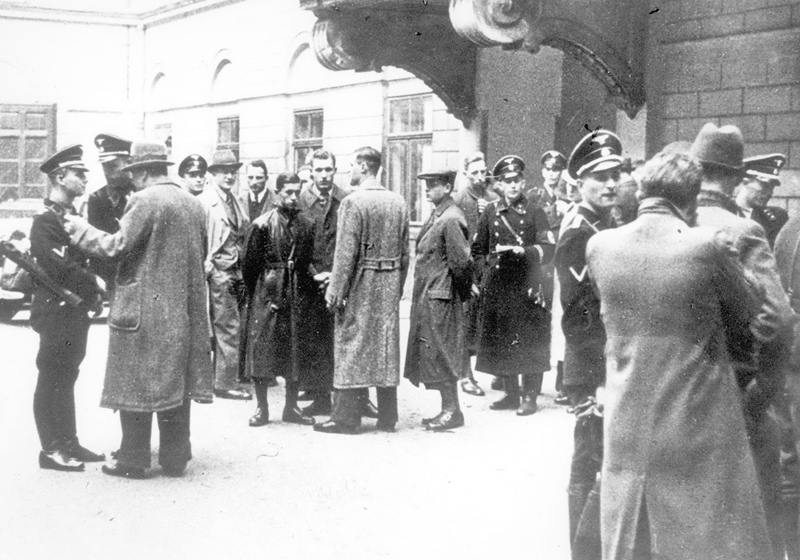
You know, I remember coming home from school and seeing an old man having to scrub the floor, the pavement and a whole lot of brownshirts, you know the Nazis, standing round poking him with rifles and oh everybody laughing and jeering.
 Click to expand
Adolf Eichmann establishes the Central Office for Jewish Emigration in Vienna
In August 1938, Adolf Eichmann opened the Central Office for Jewish Emigration in Vienna. It transformed the persecution of Jews into a streamlined, bureaucratic "conveyor belt" designed to strip them of their assets and force them out of the country.
Kristallnacht (Night of Broken Glass)
This is a co-ordinated attack on Jews and their property thought Germany
Now I realise it was probably the most dangerous thing I’ve ever done in my life, but nobody paid any attention to me, and of course when I saw what was happening, I went home. But I saw the synagogue was burning, the fire had spread to the roof of the school, and the fire brigade standing by making sure that none of the non-Jewish property was on fire,
….and everybody looking at it and enjoying themselves. The non-Jews I mean. And I just went back home. It wasn’t until later that I discovered that this had been part of a, a major attack on the Jewish…
Click to expand
Kindertransport
I’m not sure where we joined the train and to this day I have never found out. Unfortunately there is a complete blank from the time we were put on the train until we arrived at The Priory in Selkirk. …… this is possibly the only way a child of eight years old could cope with the trauma of this upheaval. To suddenly be torn from a happy, comfortable family life with loving parents, put on a train to nowhere and end up in a country where no one spoke my language, ……, must have been a severe shock to a young child.
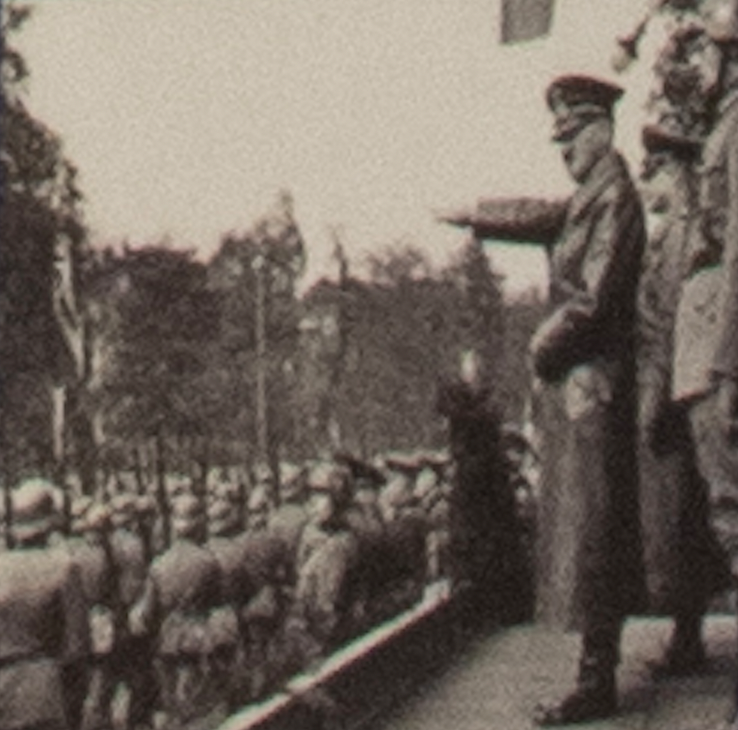
Hitler Announces in the Reichstag
Hitler Announces in the Reichstag that the outbreak of war will mean the end of European Jewry
 Click to expand
Germany invades Poland
The Army invades Poland. Start of Second World war. Jewish citizens of Poland number 3.3 million, about 10% of the total population
And so we never went home from the holiday house we went east, variously by train to begin with and then by horse and cart and in various ways. And being bombed on the way by the German planes, you know coming down and finally we got to this estate where my Aunt was.
 Click to expand
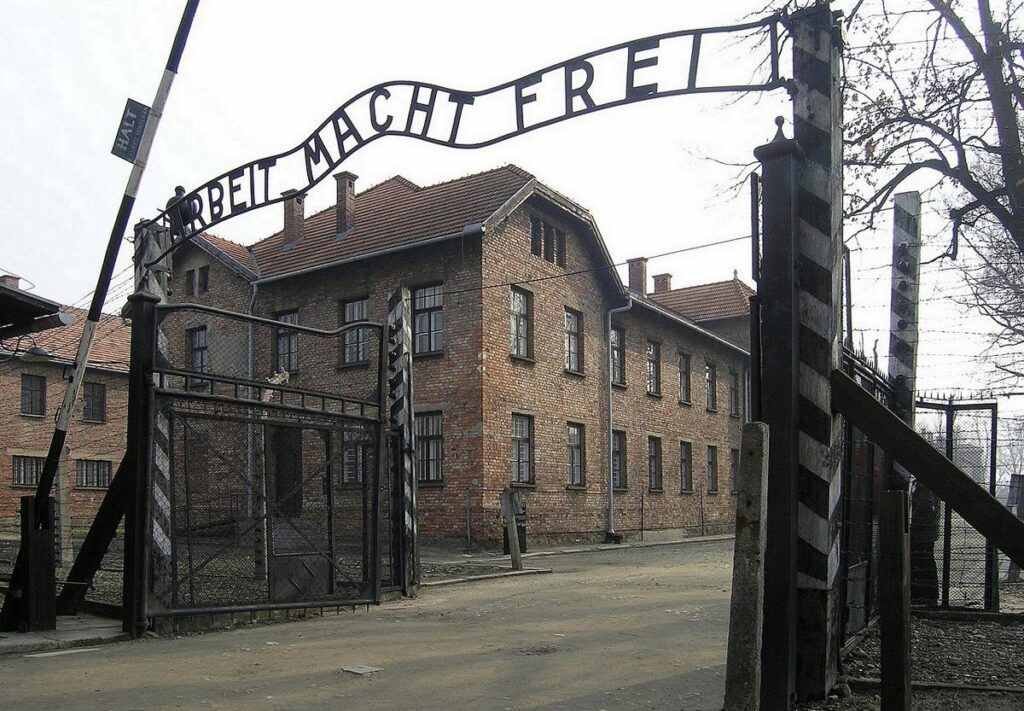
Oswiecim (Auschwitz)
Nazis choose town of Oswiecim (Auschwitz) in Poland as site for new concentration camp
Global War
France is conquered in June 1940
Russia is attacked in June 1941
USA enters war in Dec 1941
German Army invades Russia Mass murders of Jews begin in Soviet territories
When the Germans came in they made him head of the Judenrat and then of course he was supposed to choose the usual thing, 50 people to go and do some work, dig trenches basically intended for the graves of the people.
…..He apparently said to the officer “You want to do the dirty job do it yourself”. So the man took out a pistol and shot him. So my father was in fact the first man to be shot in our town by the Germans.
Baghdad Pogrom 1941
June 1–2, 1941: The Farhud (Baghdad Pogrom) During the Jewish holiday of Shavuot, a violent pro-Nazi mob erupted in Baghdad following the collapse of a short-lived pro-Axis government.
 Click to expand
Mass Extermination
The First mass extermination at Auschwitz takes place. 900 inmates killed by gas.
 Click to expand
United States Enters the War
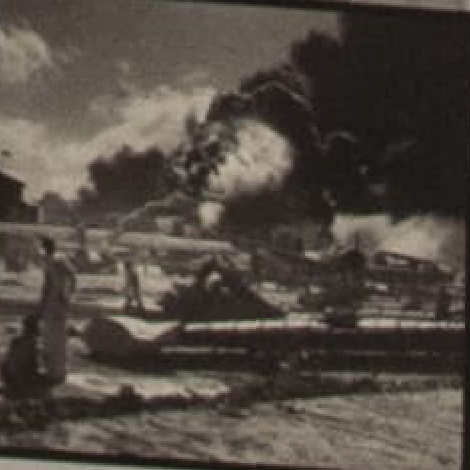
Japanese navy attacks US base in Pearl Harbour; The United States enters the war
The Wannsee Conference
The Final Solution to the Jewish question is decided. The Jews of German-occupied Europe are to be deported to Poland and exterminated.
The Wannsee Conference In a villa outside Berlin, high-ranking Nazi officials met to coordinate the "Final Solution." Led by Reinhard Heydrich, they organized the systematic deportation and murder of 11 million Jews across Europe. Crucially for your family’s story, this meeting officially designated Theresienstadt as a "model" ghetto for elderly and prominent Jews, setting the stage for the mass transportations from Prague that began just weeks later.
First big defeat of German army
While the German Army suffered its first major turning-point defeat by surrendering at Stalingrad, the Nazi regime continued its internal campaign through the Central Bureau for Jewish Emigration. This office, run by the Security Police and the SD, was designed to systematically strip Jews of their assets and force their departure.
Germany's first major defeat in World War II is often considered the Battle of Moscow (1941-1942), halting their blitzkrieg advance in the East and failing to take the capital, followed by the decisive loss at Stalingrad (1942-1943), a huge psychological and military turning point on the Eastern Front.
 Click to expand
Judenfrei (free of Jews)
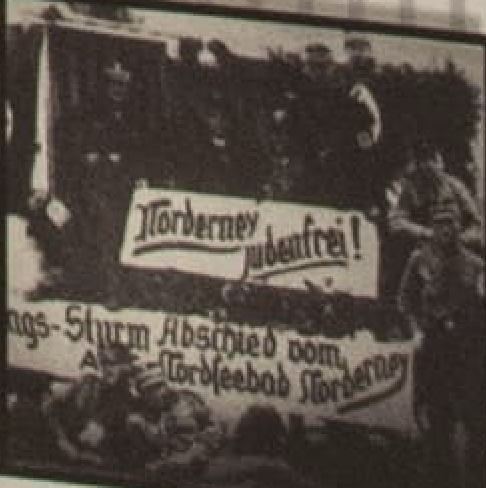
Nazis declare Berlin to be Judenfrei ( free of Jews)
Treblinka
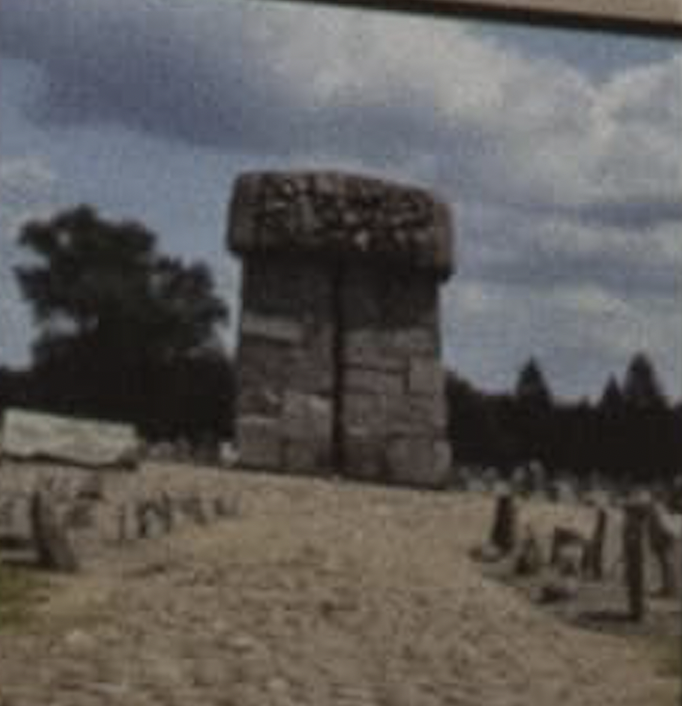
Murder by gassing ceases at Treblinka after about 870,000 deaths
 Click to expand
German army occupies Hungary
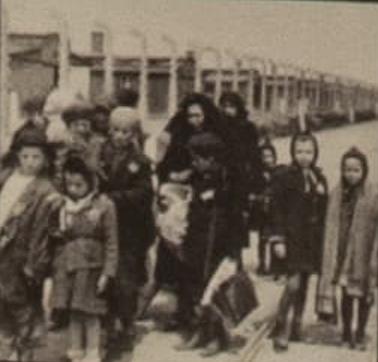
Soon after the Nazis start sending Hungarian Jews to Auschwitz
So they occupied Hungary on 15th March 1944 and it shows you for instance in the Warsaw Ghetto if you think about it, it took years for people to be sent to Auschwitz or any other of the death camps, but in Hungary from 15th March the Germans came in and by 17th or 18th June I was in Auschwitz so three months and three days, you know the speed of it.
 Click to expand
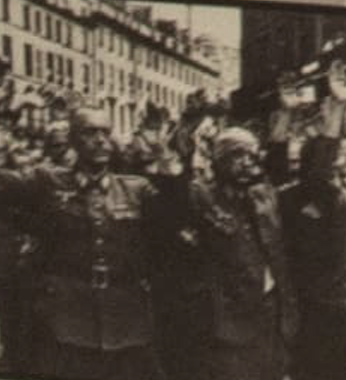
Russian Army liberates Auschwitz
About 960,000 Jewish men, women and children were killed there.
 Click to expand
British forces to enter Bergen-Belsen
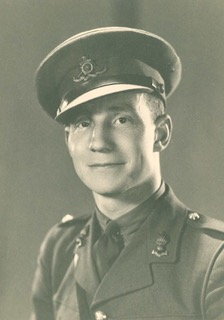
April 1945: The Liberation of Belsen John, a Scottish Lieutenant in the Royal Artillery, was among the first British forces to enter Bergen-Belsen. His memoirs recount a scene of unimaginable chaos: 10,000 bodies lay unburied, and hundreds more died daily. Haunted by the horrors he witnessed and the unrepentant cruelty of the SS guards, John’s testimony remains a stark record of the camp’s liberation.
 Click to expand
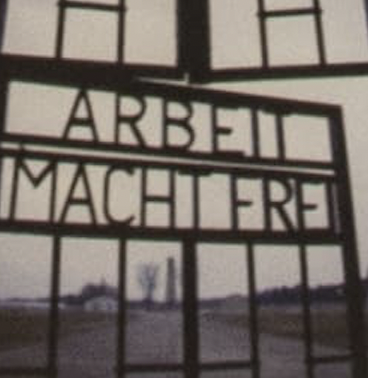
Germany surrenders unconditionally
And I suddenly felt I can shout it from the rooftops, “I am Jewish!” And if I were in a room that was full of people and somebody said, “Any Jews stand!” I would not even hesitate because I am so proud of my Jewish birth and that I had a Jewish mother that bore me.
 Click to expand
Post War 1945
67% of European Jews had been Killed – 5,933,900 victims
There were a lot of people shot and unfortunately I have nowhere to go to know where my parents actually were murdered
 Click to expand
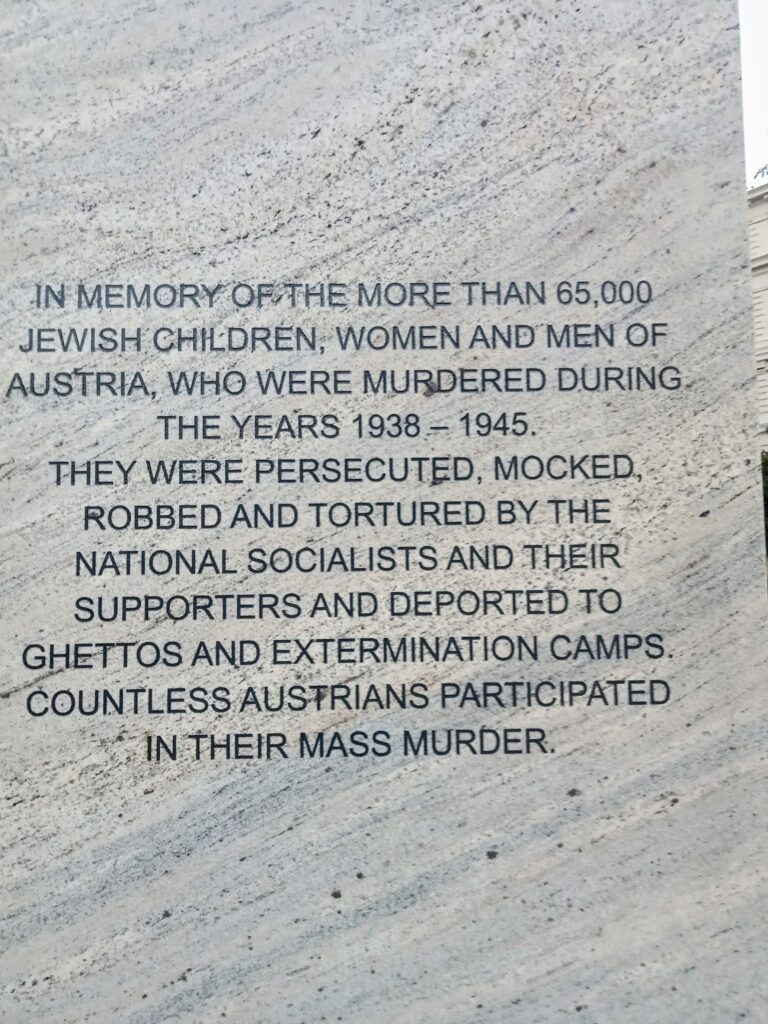
Memorial in Vienna to Austrian Jews who died in the Holocaust
9 November 2021: The Official Opening The Shoah Wall of Names Memorial is officially inaugurated in Ostarrichi Park, Vienna. This landmark serves to commemorate the more than 64,000 Jewish children, women, and men from Austria who were murdered during the Holocaust.
Commemorative Ceremony and Speakers The ceremony features addresses by several prominent figures, including President Alexander Van der Bellen, Chancellor Alexander Schallenberg, and Vienna’s Mayor Michael Ludwig. They were joined by Oskar Deutsch, President of the Federal Association of Jewish Religious Communities, and Kurt Y. Tutter, the Holocaust survivor and initiator of the memorial.